


Bike protection can feel like an extra line item on an already expensive build. Between the frame, wheels, suspension, and components, it is fair to ask a simple question:
Is RideWrap actually worth the money?
In this article, we will walk through the real costs of riding without bike protection, how RideWrap protection kits change the math, and where the true value shows up for different riders, from daily trail riders to gravel racers and road cyclists.
The Real Cost of Riding Without Protection
Modern bikes are not cheap. A carbon trail or enduro frame can sit between $3,000 and $6,000 on its own, and complete builds often go much higher. Even alloy frames and mid-tier builds are a serious investment.
When you ride without protection, you are taking on several hidden costs:
1. Cosmetic Damage That Becomes Permanent
Shuttle rub, heel rub, tailgate pad wear, cable rub, and stray rocks all add up. Scratches and scuffs on the downtube, chainstay, seatstay, and top tube are not just cosmetic. They directly affect how your bike:
- Looks day to day
- Photographs in content or listings
- Is perceived by a future buyer
Once raw carbon or paint is marked, it is either there for good or expensive to fix professionally.
2. Risk of More Serious Impact Damage
A protection film will not make your frame indestructible, but it does help disperse and absorb the energy from small to moderate impacts from roost, rock strikes, and trail debris. Without any protection, that impact is going straight into your paint and clear coat, and in some cases directly into the carbon layup or alloy structure.

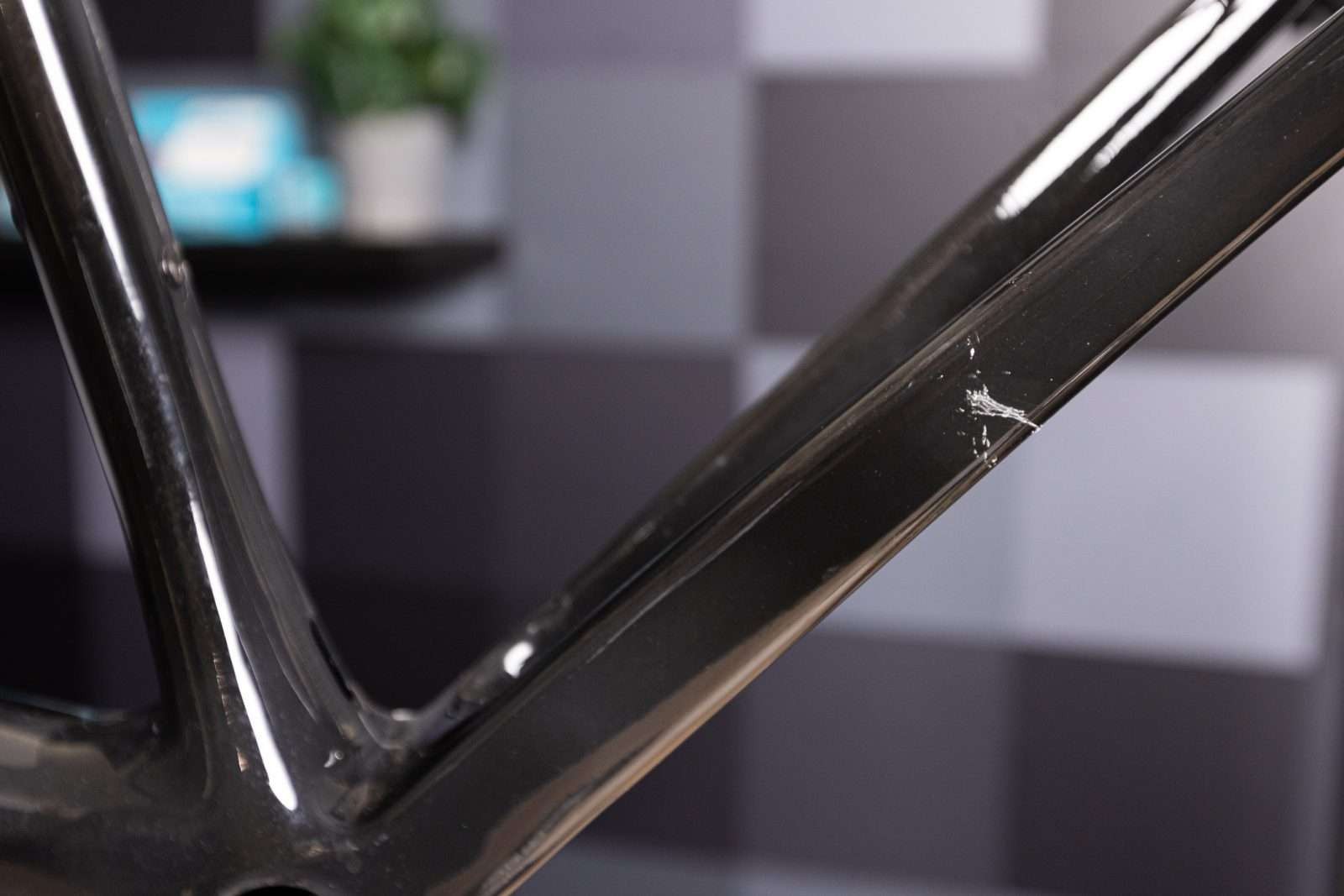
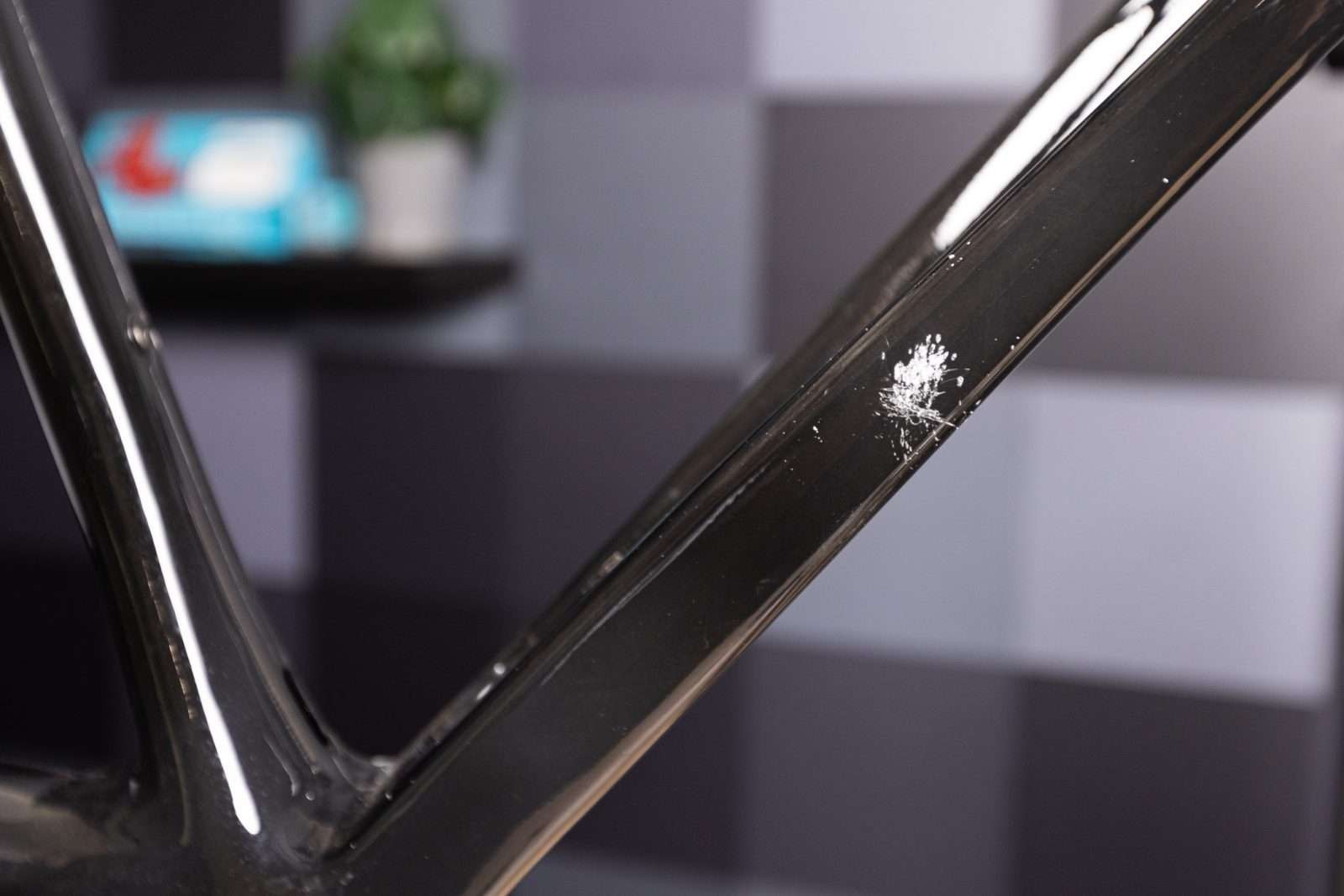
Over time, repeated impacts in the same zones can contribute to:
- Clear coat chipping
- Paint flaking or spider cracks
- Exposed carbon and oxidation on metals in high wear areas
Addressing these issues later with repainting or repairs can easily cost several times more than a protection kit.
3. Lower Resale Value
Whether you intend to sell your bike or simply want the option, condition matters. Two identical bikes can have very different resale values based on how they look.
A frame that is:
- Covered in heel rub on the chainstay
- Chipped on the downtube near the shuttle zone
- Scuffed at the top tube from cables and knees
will not command the same price or confidence as a bike that has been protected since day one and still looks fresh when the kit is removed or replaced.
Even a few hundred dollars difference in resale value is already more than the cost of many protection kits.
What Does RideWrap Actually Cost?
RideWrap offers different kit levels so you can match coverage and cost to your priorities.
While exact pricing depends on your region and specific product, the general idea is:
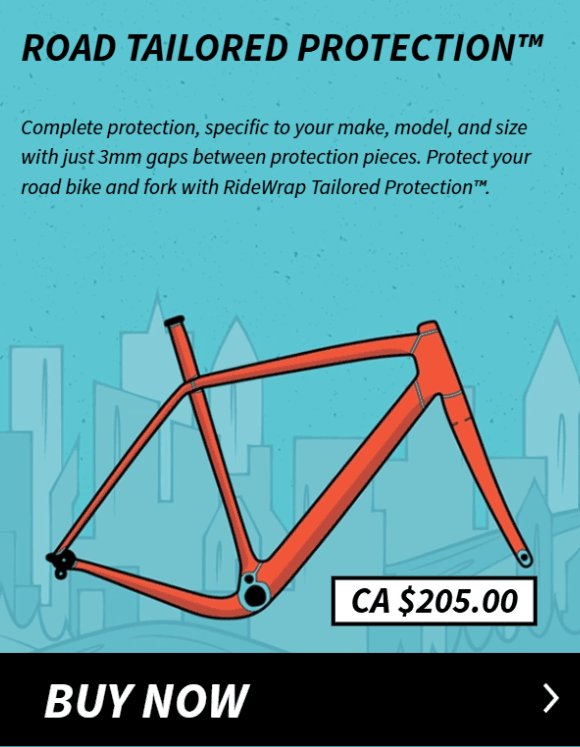
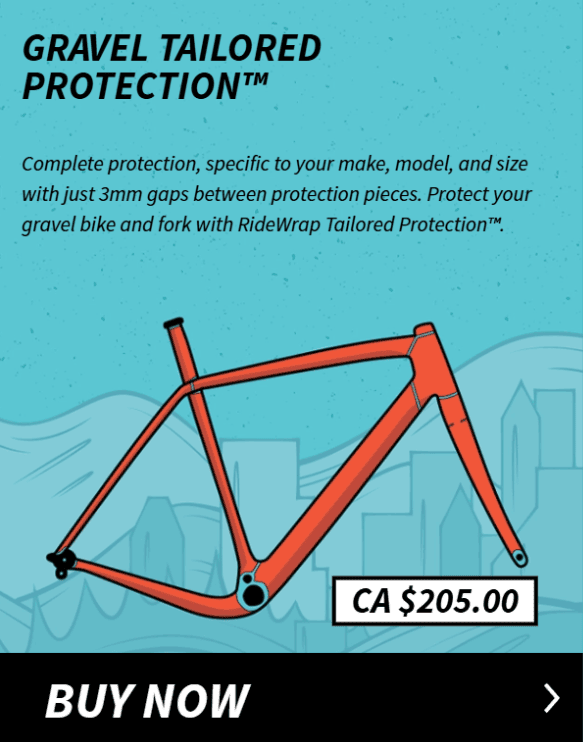
Tailored Protection™: A model and size-specific, high coverage kit designed for your exact frame, fork, or cranks, with coverage up to about 99 percent of the surface area. This option delivers the highest level of precision and protection, creating a nearly invisible barrier that preserves finish and keeps your bike looking fresh over the long term.


Covered Protection™: A universal, mid level kit designed around frame categories such as MTB, gravel, or road, with coverage typically around 65 percent of the frame surface. This option targets high risk areas and provides substantial protection at a lower cost than a full model specific kit.


Essential Protection™: Another universal, entry level kit that covers key wear zones with up to about 30 percent frame coverage. This option focuses on high contact areas and provides a cost effective layer of defense against everyday scuffs, cable rub, and transport wear.


Fork Protection: A model-specific or category specific kit designed to protect your fork lowers and crown from rock strikes, roost, and abrasion. Coverage varies by kit style (Tailored or Covered), but each option provides durable, high impact protection for one of the most exposed components on your bike.


Wheel Protection: Rim and decal protection designed to shield your wheels from rock strikes, shuttle wear, and abrasive debris. These kits preserve both finish and graphics while adding a durable barrier to one of the most exposed surfaces on the bike.


Crank Protection: Crank Protection: Available in both model specific Tailored versions and universal Covered versions, offering up to about 99 percent or about 65 percent coverage depending on the kit. This protection shields one of the most impact prone components on the bike from rock strikes, shoe rub, and abrasion.


Protection Accessories: Chainstay protection, shuttle armor, and other add-ons for trouble zones.


Compared against the overall cost of a modern bike, a protection kit typically represents a small fraction of the total build cost, often similar to a single component upgrade such as a premium handlebar, stem, or tire combo. The difference is that protection quietly goes to work every ride, preserving the value of everything else.
The Value Equation: Protection Cost vs Damage Cost
To understand value, it helps to compare two simple scenarios.
Scenario 1: No Protection
You buy a new bike, ride it for two seasons, and do not use frame or wheel protection. Over that time you accumulate:
- Multiple paint chips on the downtube and chainstay
- Heel rub that wears through paint on the drive-side stay
- Cable rub on the head tube and top tube
- Scuffs and scratches around the rear triangle from rocks and trail debris
When it comes time to sell the bike, a prospective buyer immediately compares your frame to one that has been protected since day one and still looks clean under the kit. Their perception of condition shifts the moment they see visible wear. To move your bike, you either drop the price or accept that your listing will sit longer.
Without protection, you are also missing out on two key advantages. First, a protected bike typically sells for more because buyers trust bikes that show fewer signs of wear. Second, RideWrap can be installed on used bikes to dramatically reduce the appearance of existing scratches and scuffs, helping the frame present far better than its raw finish.
Between a discounted sale price, buyer hesitation, and the cost of any touch-up work, you can easily lose more than the cost of a RideWrap kit.
Scenario 2: Protected From Day One
You install a RideWrap Tailored Protection™ kit shortly after unboxing your bike. Every ride, roost, and shuttle run hits the film instead of the paint or clear coat.
After two seasons, the protection film may show micro scratches or light scuffs in the high wear areas, but the frame underneath is still in excellent condition. When you remove or replace the kit, the bike presents far closer to new than an unprotected frame with the same mileage.
When it is time to sell, you gain two advantages that the unprotected bike in Scenario 1 cannot match. First, buyers consistently pay more for a bike that has been protected since day one because they can see that the frame has not taken direct wear. Second, even if there are a few cosmetic marks already on the bike when you install a kit, RideWrap can significantly reduce the appearance of existing scratches and scuffs, helping the bike photograph cleanly and present with confidence.
In most cases, the added resale value of a protected bike covers the cost of the kit and often exceeds it, all while allowing you to ride harder with fewer concerns about cosmetic damage.
Cost Considerations by Rider Type
Different riders value different outcomes. Here is how the cost and value of RideWrap protection looks across several rider profiles.
Frequent Trail and Enduro Riders
If you ride often on rough terrain, shuttle regularly, or live in rocky or loamy zones where roost is constant, your bike is under daily attack from:
- Rocks and sharp debris
- Tailgate pads and shuttling setups
- Mud, grit, and sand that act like sandpaper
For these riders, high coverage options like Tailored Protection deliver strong value because the risk and frequency of damage are high. The more you ride, the more each ride uses the kit instead of your paint.
Gravel and Adventure Riders
Gravel bikes and adventure rigs take abuse from:
- Long days on mixed surfaces
- Extended periods in rain, mud, and road grime
- Frame bags, straps, and cargo systems
Here, the cost of a protection kit pays off through reduced abrasion where bags meet the frame, as well as protection from rocks flicked up at speed. Even a single big weekend on exposed gravel roads can mark up a frame without protection.
Road Riders
Road riders deal with:
- Transport damage on roof racks and in travel cases
- Rub from cables, computer mounts, and frame bags
- Debris and small stones on shoulders and chipseal routes
While the impact severity may be lower than in DH or enduro, the paint and finish on many road bikes are premium. Protection helps keep that high gloss or color shift finish looking like it should.
For road riders, even a mid-level kit that focuses on key wear zones can be a smart, cost-effective investment.
Time vs Money: Installation as an Investment
Installation takes time. That is part of the cost equation as well, whether you install at home or through a dealer.
DIY-friendly Installation
RideWrap protection kits are designed so riders with basic tools, patience, and a clean workspace can complete the install at home. The value here is:
- You trade some of your time for long-term protection
- You learn about your frame and components while installing
- You can replace sections or a whole kit later without paying labor rates
For riders who enjoy hands-on bike care, this is time well spent and a one-time effort that protects hundreds or thousands of dollars in equipment.
Professional Installation
If you prefer a turnkey experience, certified installers and shops can install RideWrap kits for you. Their labor cost reflects:
- Experience and installation skill
- A controlled environment for best adhesion and finish
- Time saved for you that can go back into riding
In this case, the calculation becomes an exchange of money for both protection and convenience. Many riders with high-end builds see this as a small additional cost compared to the total value of the bike.
Long-term Benefits That Are Easy to Overlook
Some of the most important value gains are not obvious at first glance.
1. Protecting Frame Structure and Finish
By absorbing small impacts and abrasion, the film helps reduce the number of direct hits to the underlying finish (especially carbon). Over time, that means fewer exposed patches, less moisture intrusion at chips, and a cleaner surface overall.
2. Easier Cleaning and Maintenance
Protection film has a smooth, durable surface that is easier to wipe down and wash than raw paint, chipped clear coat, or exposed carbon.
You spend less time:
- Scrubbing stubborn grime
- Digging dirt out of paint chips
- Worrying about every bit of roost or mud hitting the frame
Time is valuable too. Faster cleaning means more time riding.
3. Better Photos and Content
If you create content, shoot your bike often, or are part of a team or brand program, a clean bike is part of your image. Protected bikes are much easier to keep in “photo ready” condition, which matters on social feeds, in product photos, and for sponsor decks.
Comparing RideWrap to Other Spend Categories
When you plan a build or budget for a new bike, it helps to think of protection alongside other common upgrades.
Riders regularly spend on:
- Carbon handlebars or upgraded stems
- High-end tires and inserts
- Custom saddles and cockpit touch points
- Cosmetic accessories and anodized hardware
These all bring real benefits in comfort, control, and style. Protection is different because it quietly works in the background every single ride, extending the life and appearance of everything else.
If you can budget for two or three premium components, you can usually make space for a protection kit that will protect the whole frame and key components for the lifespan of the bike.
When Might Protection Not Be For You?
There are a few cases where full coverage protection may not be the right call:
- A short-term or temporary bike that you plan to move on quickly and do not ride hard
- A budget build where every dollar is going into basic rideability and you accept cosmetic wear as part of the deal
- A frame that is already significantly damaged or worn, where the priority is repair or replacement, not preservation
In these situations, you might still opt for targeted protection in the highest wear zones, but the calculation is different.
So, Is RideWrap Worth It?
For most riders on modern bikes, the answer is yes.
When you weigh the cost of a RideWrap protection kit against:
- The price of the frame, fork, wheels, and components
- The cost of repairs or repainting after impacts
- The resale value of a clean, well-protected bike
- The peace of mind of riding harder and worrying less about cosmetic damage
protection offers strong value over the life of the bike.
You are not choosing a generic clear vinyl film. You are investing in Lotus Pro™, our bike specific protection film that is precision cut and engineered to match your exact frame and perform against the demands of real riding.
Next Steps
If you are ready to protect your bike:
- Find your Tailored Protection™ kit: Use the RideWrap Bike Finder to match your exact frame and fork.
- Explore Covered and Wheel Protection options: Protect high-risk zones, rims, and decals based on how and where you ride.
- Talk to a dealer or installer: If you prefer professional installation, many shops can supply and install RideWrap for a turnkey experience.
Ride more. Worry less. Let the film take the hits so your bike doesn’t have to.